In early March, Cornell’s waste service provider, Casella Waste Systems, Inc., will be conducting a campus-wide audit. A waste audit is a structured process designed to assess the quantity and composition of waste generated within a specific timeframe.
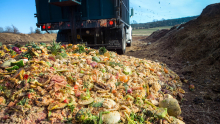
Over the course of two to three days, Casella representatives will be retrieving bags from dumpsters and recycling containers across campus to gain a clear understanding of our current waste streams and disposal practices. Insights from the audit can reveal opportunities for enhanced recycling, composting, and waste reduction, while also providing a better understanding of recycling contamination rates.

Sample collections are organized by building categories including residential, dining, classrooms, offices, library, laboratories and athletics. The samples will be taken to an offsite location where the audit team will sort them into predefined categories, photograph and weigh each category, and ultimately summarize the findings into a comprehensive report.
The findings should enable informed decision making to improve operations efficiency and sustainability. While waste diversion remains important, audit data paired with procurement information will allow Cornell to identify and address the root causes of waste generation.
The graph shows the ratio of materials in 2025 that were recycled, composed, donated/reused, and sent to the landfill by more than 29,000 of Cornell’s weighted campus users.
Weighted Campus Users, as defined by The Association for the Advancement of Sustainability in Higher Education, as the total number of people on campus, adjusted for fluctuations in population and the impacts on campus operations. Total waste generated per weighted campus user in 2025 was 0.347 tons.